Ngayake Trail Bridge Build with Fika
February 5, 2026
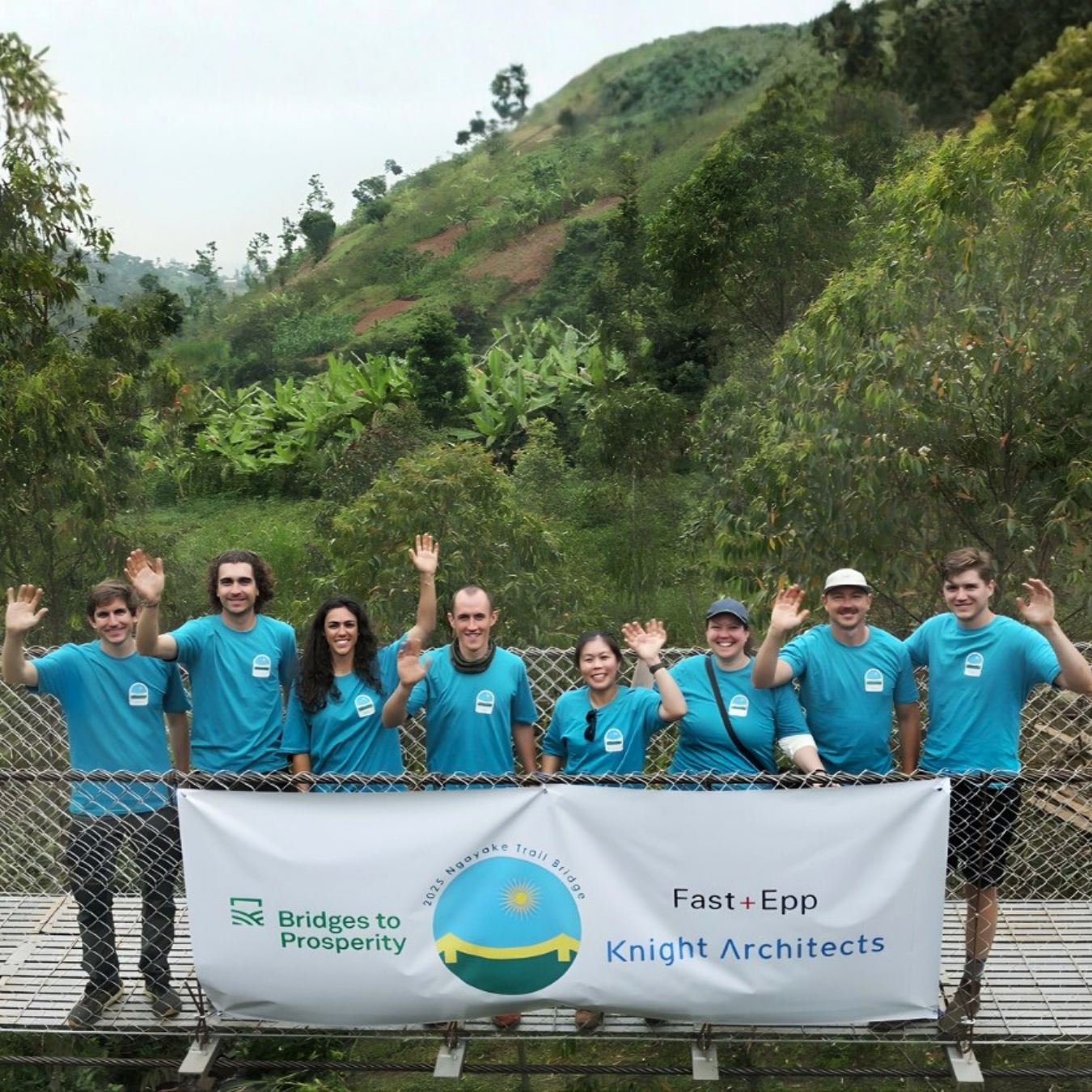
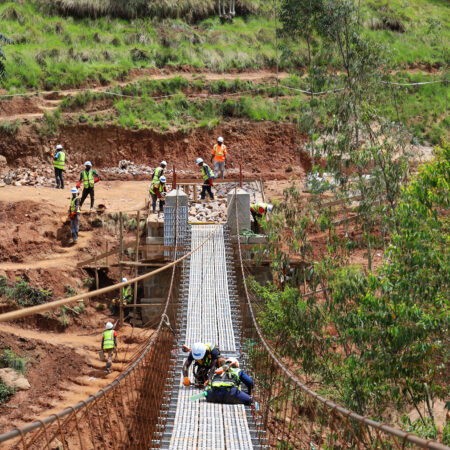
In November, members of Fast + Epp, Fast + Epp Germany, and Knight Architects partnered with Bridges to Prosperity (now Fika) to build a bridge in Gakenke, Rwanda. Fika is a humanitarian organization dedicated to providing safe, reliable access to rural areas. The project, named the Ngayake Trail Bridge, now serves over 4,000 people from the Ngayake–Ruli and Kimbogo–Rwinkuba communities.
During the rainy season, the Mugwato river swells, creating dangerous and often impassable crossing conditions. As a result, community members are unable to cross, cutting off access to essential resources such as schools, healthcare, and local markets. Over the span of 10 days, the team worked alongside the community to construct the Ngayake Suspended Bridge, providing safe, year-round access across the river.
Kick-Off
After landing in Rwanda, the team spent the weekend in Kigali to settle in, share a meal, and get to know one another. They also had the opportunity to visit a previously completed bridge nearby to learn from past projects before arriving to site bright and early on Monday morning. Thanks to the preparation by Fika and the community, foundation work was started and construction materials had been gathered, allowing work to begin immediately.
Each day followed a steady rhythm. The team rose at 6:00 a.m. for breakfast, drove an hour to the site—14 kilometres away—and then hiked down to the river crossing. Once on site, the group reviewed the day’s construction plans and warmed up with stretching, singing, and dancing led by community members. Work continued from 9:00 a.m. to 5:00 p.m., with breaks for tea and lunch along the way.
Evenings were reserved for reflection and connection. The team gathered to debrief, sharing the highlights and challenges of the day before dinner. Later, they relaxed by chatting and playing games, winding down before heading to bed to rest for the next day’s work.
The Build
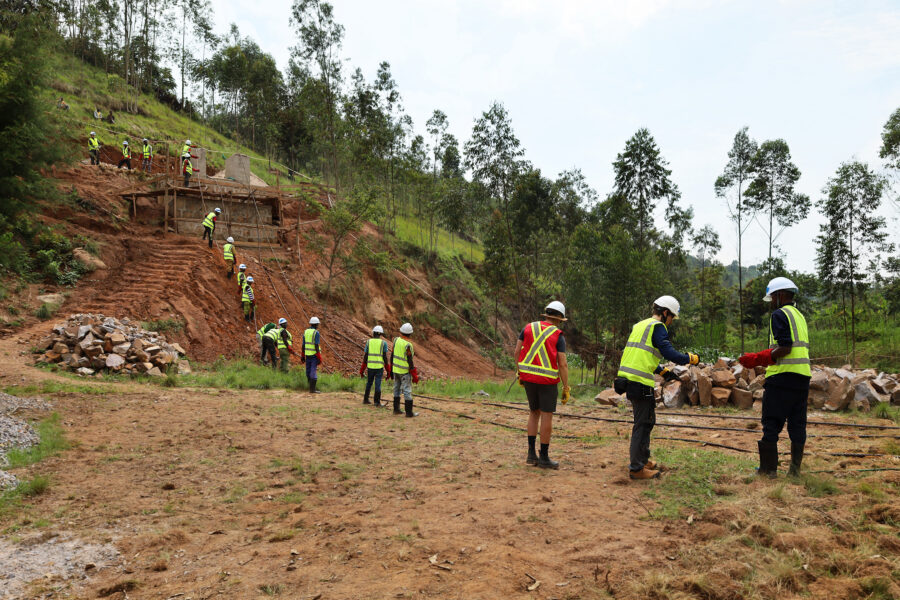
Day 1, focused on assembling the bridges foundation. Cables were unspooled, carried across the river, and clamped to anchor blocks on both sides to secure them in place. Achieving cable tension was critical, as the tension ensures stability when crossing the bridge. With everyone working together, the cables were suspended in a single day.
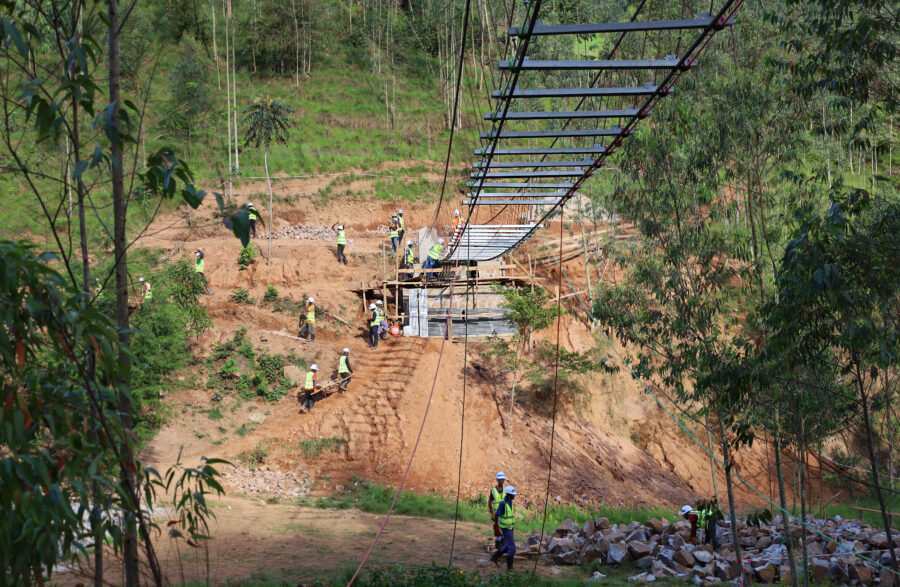
By day 4, the team moved on to installing the suspenders, cross beams, and decking. A specific rope knot was used to tie each end of the cross beam to ensure accurate pre-placement and consistent spacing before decking was added. Metal pipes were used for the suspenders, reinforcing the overall strength of the bridge.
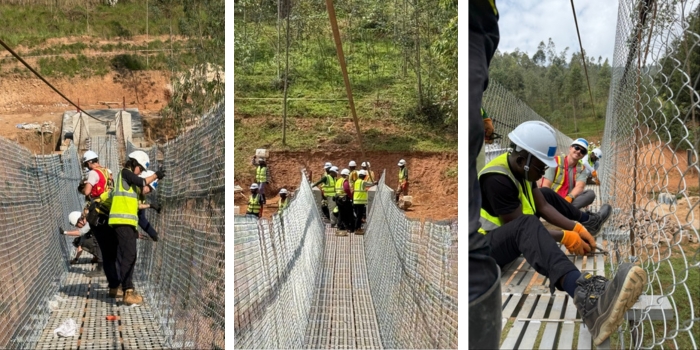
Coming to a close on days 7 to 9, work shifted to the final details. Installing the fencing proved to be the most challenging phase of the build, taking two full days to carefully tie to each cable and suspender. Once complete, the piers were painted blue – a colour chosen by Fika and the local community – and the bridge was officially finished.
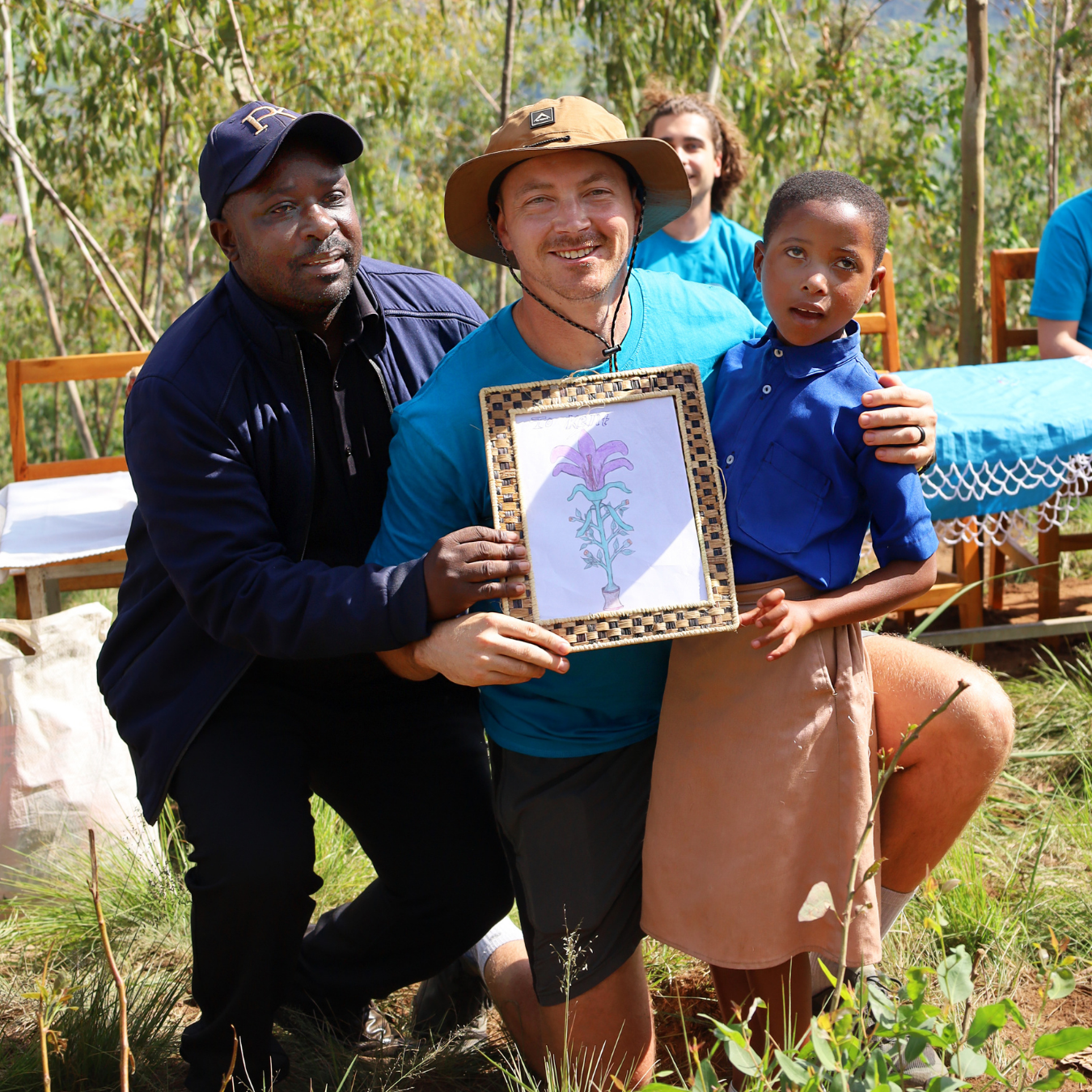
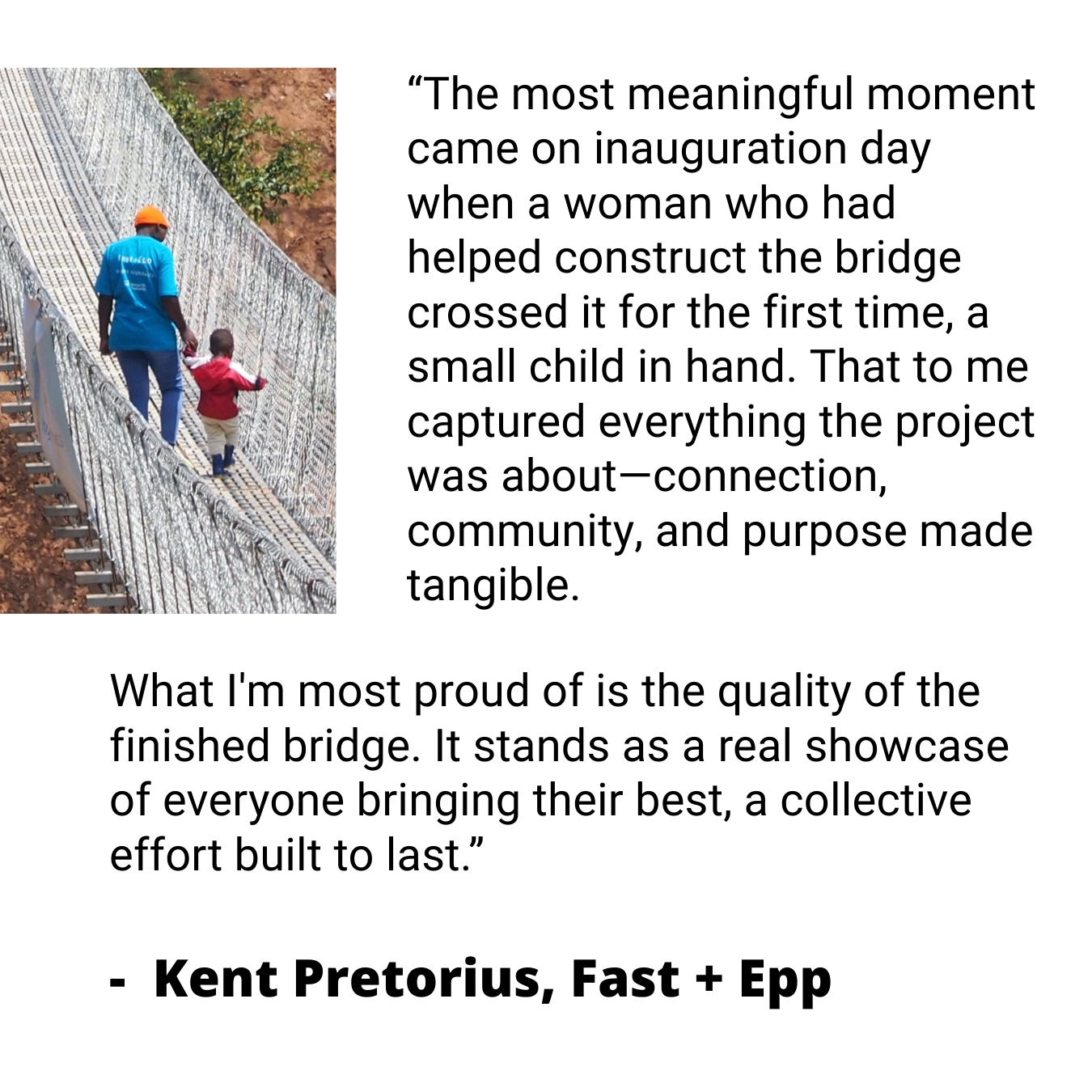
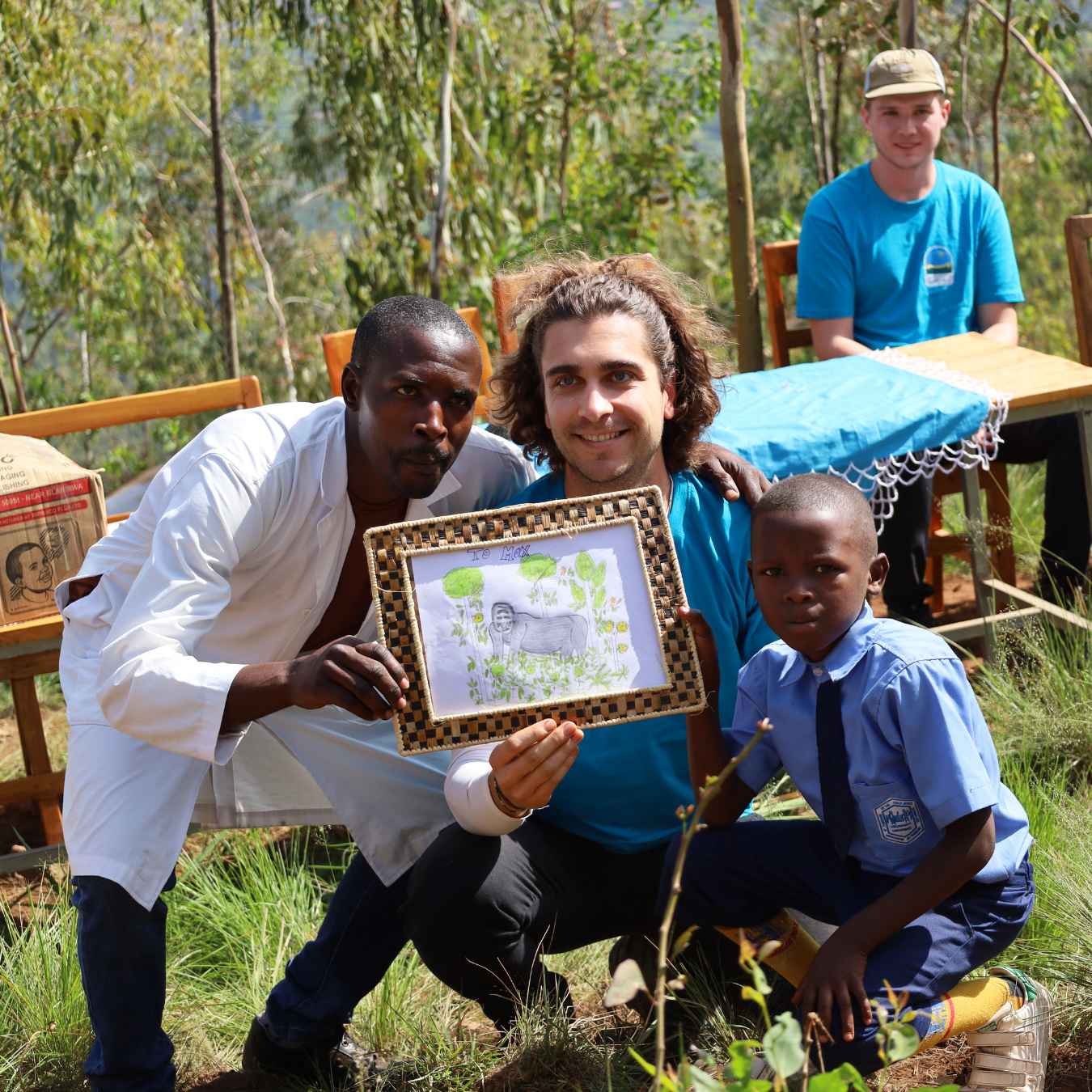
On the Inauguration Day, the ribbon was cut and the community took their first steps across the bridge. Fika and government officials, along with the local neighbouring communities came to celebrate the opening of the Ngayake Suspended Bridge, marking the successful completion of a project that will serve the region for years to come.
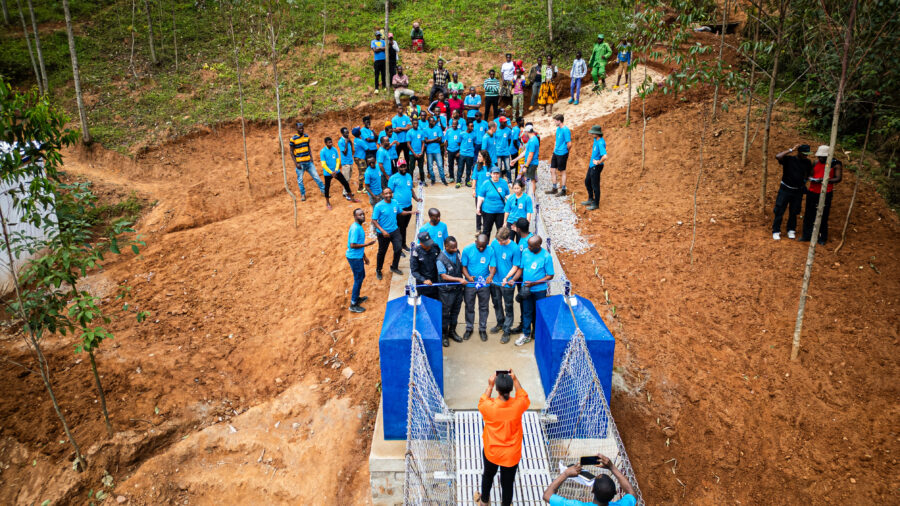
“The construction of the bridge has had a profound and positive impact on our community. It has significantly improved access to essential services, connecting residents to schools, healthcare facilities, and economic opportunities. The project also fostered a strong sense of community, bringing people together through volunteer efforts and shared goals. The new bridge stands as a symbol of progress, unity, and the transformative power of collaborative initiatives, leaving a lasting legacy for generations to come.” – Fika’s Corporate Site Liaison, Rona Mutesi
Challenges
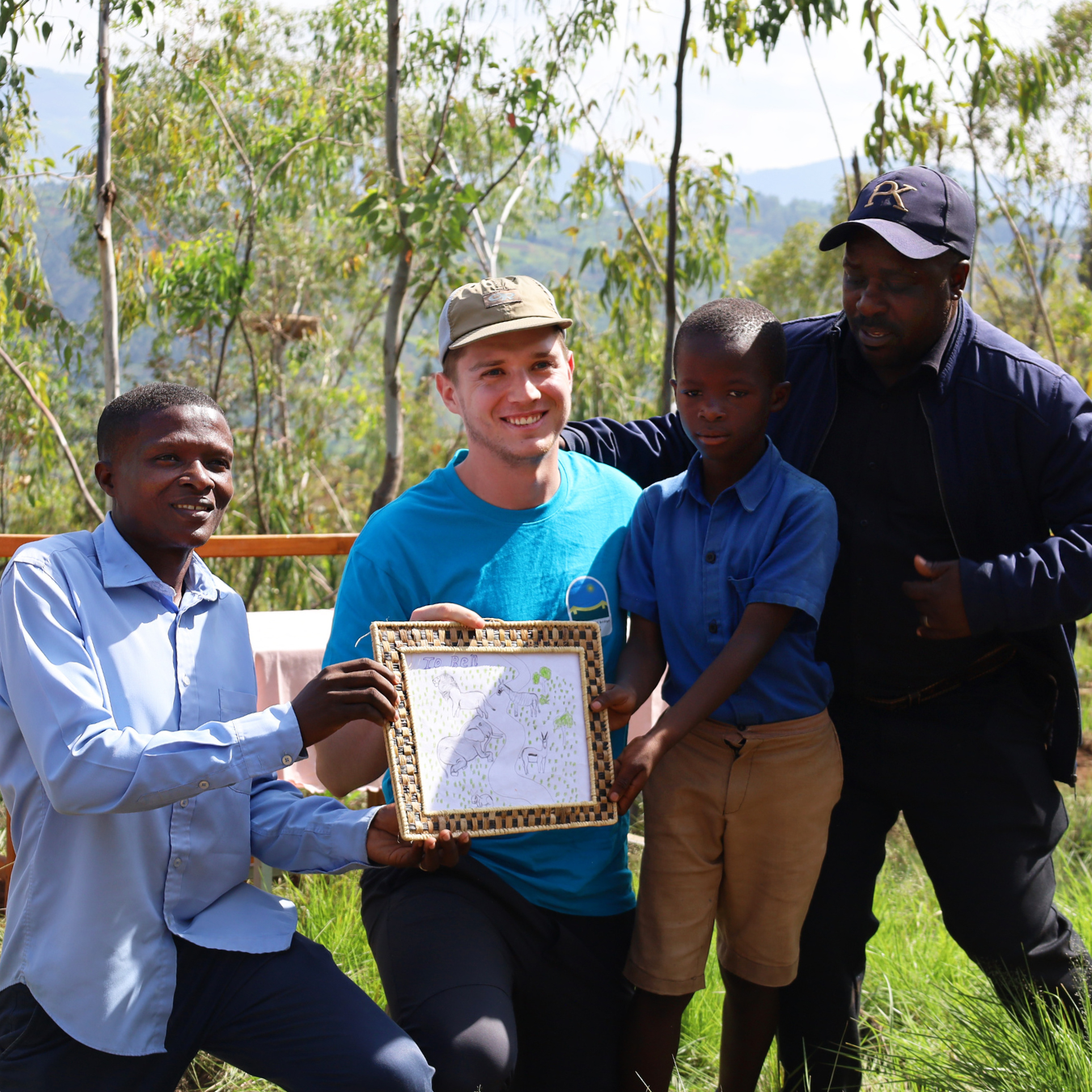
Building the bridge came with challenges, particularly the limited availability of tools. With no heavy machinery, all work was done by hand and materials were carried across the site, making the process physically demanding. However, working closely with the local community allowed the team to learn practical techniques—such as carrying loads on their heads—that made the work more efficient and collaborative.
The heat was another challenge, especially during the afternoons when construction was at its peak. While the high temperatures made the work more tiring, they also encouraged teamwork, regular breaks, and a steady pace, helping the team stay motivated and support one another throughout the build.
Exploring Rwanda Beyond the Build
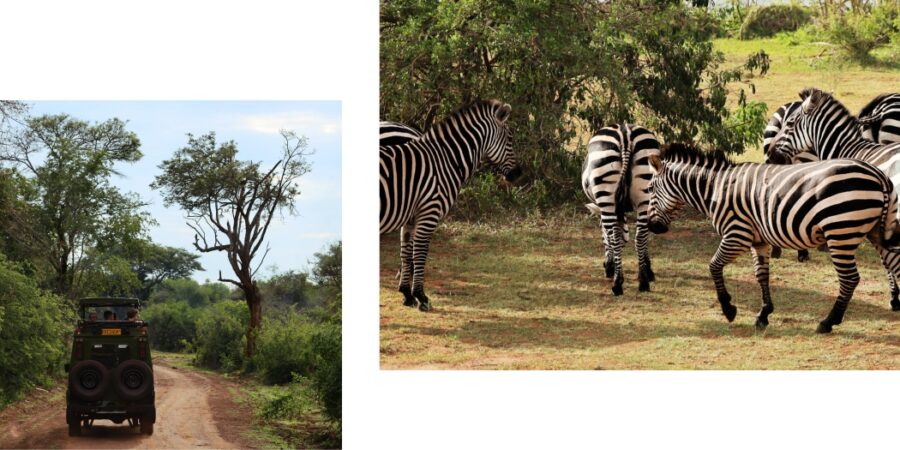
Outside of construction, the team made time to experience Rwanda and connect with the country beyond the work site. During the weekend between building weeks, the group went on a safari tour and saw a range of native wildlife, including several of the ‘Big Six’. Rhinos, baboons, elephants, and zebras were all spotted—while whether or not a lion made a distant appearance remains up for debate.
On the final day before departure, the team split up to explore the city in smaller groups. Some rode mountain bikes through local backstreets, while others attended a Rwandan Premier Soccer League match. These experiences offered a meaningful way to learn about the culture, strengthen team bonds, and reflect on the impact of giving back to the community.
Final Reflections
The completion of this bridge represents a meaningful milestone for both the community and our team. It provides safe, reliable, year-round access to essential services, strengthening connections to schools, healthcare, and local resources. The build also underscored the power of teamwork and the importance of working alongside local community members toward a shared goal.
Fast + Epp is grateful to have collaborated with Fika and to have contributed to this impactful initiative. Supporting a project with such lasting community benefit is an experience our team will carry forward for years to come. We are proud to share in the bridge’s impact: 4,119 people now served, including 1,524 additional children with safe access to school and 428 more women with improved access to birth care.
Each of the members of the Fast + Epp, and Fast + Epp Germany team shared a bit about their experience below.